
Drill & Fill Wall Insulation
Drill & Fill Wall Insulation in Granada Hills
Insulate existing walls without tearing them open — dense-pack cellulose drill & fill for older Southern California homes, installed for comfort and lasting efficiency.
No Wall DemolitionTrue Dense-Pack EquipmentThermal-Imaging Verified
15+Years Experience
Why Drill & Fill Wall Insulation Matters in Granada Hills
Most Southern California homes built before 1976 have little or no wall insulation. Drill and fill lets us upgrade those walls with dense-pack cellulose — improving comfort and efficiency without the cost and mess of full wall demolition.
Insulating existing walls used to mean opening them up. Drill and fill changes that: we access the wall cavities, dense-pack them with cellulose, and patch the openings — so you get the benefit of insulated walls without a major remodel. When it's installed properly, it can perform significantly better than traditional batt insulation, and it's usually far less invasive and less expensive than tearing walls open.
Built for Older SoCal Homes
The majority of older homes in the Granada Hills area predate modern wall-insulation requirements. Drill and fill is one of the few ways to bring those walls up to a comfortable, efficient standard while you keep living in the home.
Comfort & Efficiency That Lasts
Dense-pack cellulose provides excellent coverage and strong air resistance inside the wall cavity, helping stabilize indoor temperatures and reduce the air movement that drives drafts and energy loss.
 No wall
demolition
The Payoff
What Drill & Fill Delivers
No Demolition
Upgrade existing walls without tearing them open — usually far less invasive and less expensive than full wall demolition.
Better Than Batt
When installed properly, dense-pack drill and fill can perform significantly better than traditional batt insulation.
Strong Air Resistance
At the correct density, cellulose creates a very high level of air resistance inside the wall cavity, reducing drafts and energy loss.
Quieter Rooms
Dense-pack cellulose offers better sound dampening and fills around wiring and obstacles for more consistent coverage.
Fire & Pest Resistance
Cellulose is treated with fire-resistant minerals that improve fire resistance, pest resistance, and overall performance.
Thermal-Imaging Verified
As a final quality-control step, we use thermal imaging cameras to verify coverage and catch missed cavities and cold spots — a step very few contractors take.
Our Process
How We Drill & Fill Walls
Proper drill and fill is much more technical than many homeowners realize — here's how we get it right.
1
Locate Framing & Cavities
Many older homes don't follow a perfect 16-inch layout. We locate framing and properly identify wall cavities first instead of assuming, so every cavity actually gets filled.
2
Dial In the Equipment
We use dense-pack equipment designed specifically for this application and verify and adjust machine settings on every single job for correct pressure and material density.
3
Dense-Pack the Cavity
We insert a flexible hose deep into the cavity and slowly dense-pack the cellulose while gradually withdrawing the hose under controlled pressure — reducing settling and creating complete, consistent coverage.
4
Verify With Thermal Imaging
As a final quality-control step, we scan the walls with thermal imaging cameras to identify missed cavities, cold spots, and incomplete coverage before we finish.
Ready for a more comfortable, efficient home?
Reviews
What Granada Hills Homeowners Say
★★★★★
"Luke at Hunter's Insulation was awesome! Super knowledgeable and easy to work with. He explained the best insulation options and helped me make the right choice for my home. Really appreciate the honest advice—highly recommend!"
M
Manuel LunaGoogle Review
★★★★★
"Hunters Insulation came highly recommended from two family members that had used their services. Luke was easy to work with and educated me as insulation was not something I had any knowledge of. In the end, I got exactly what I needed at a very fair price. Luke and his crew were very professional and did great work at my home."
B
Bridget HollandGoogle Review
★★★★★
"Luke was very helpful, and easy to work with. He was able to accommodate our very rushed schedule, and made sure that the job was done right, and to our expectations. Highly recommend."
S
steve schellhaseGoogle Review
Drill & Fill — Real Job-Site Photos
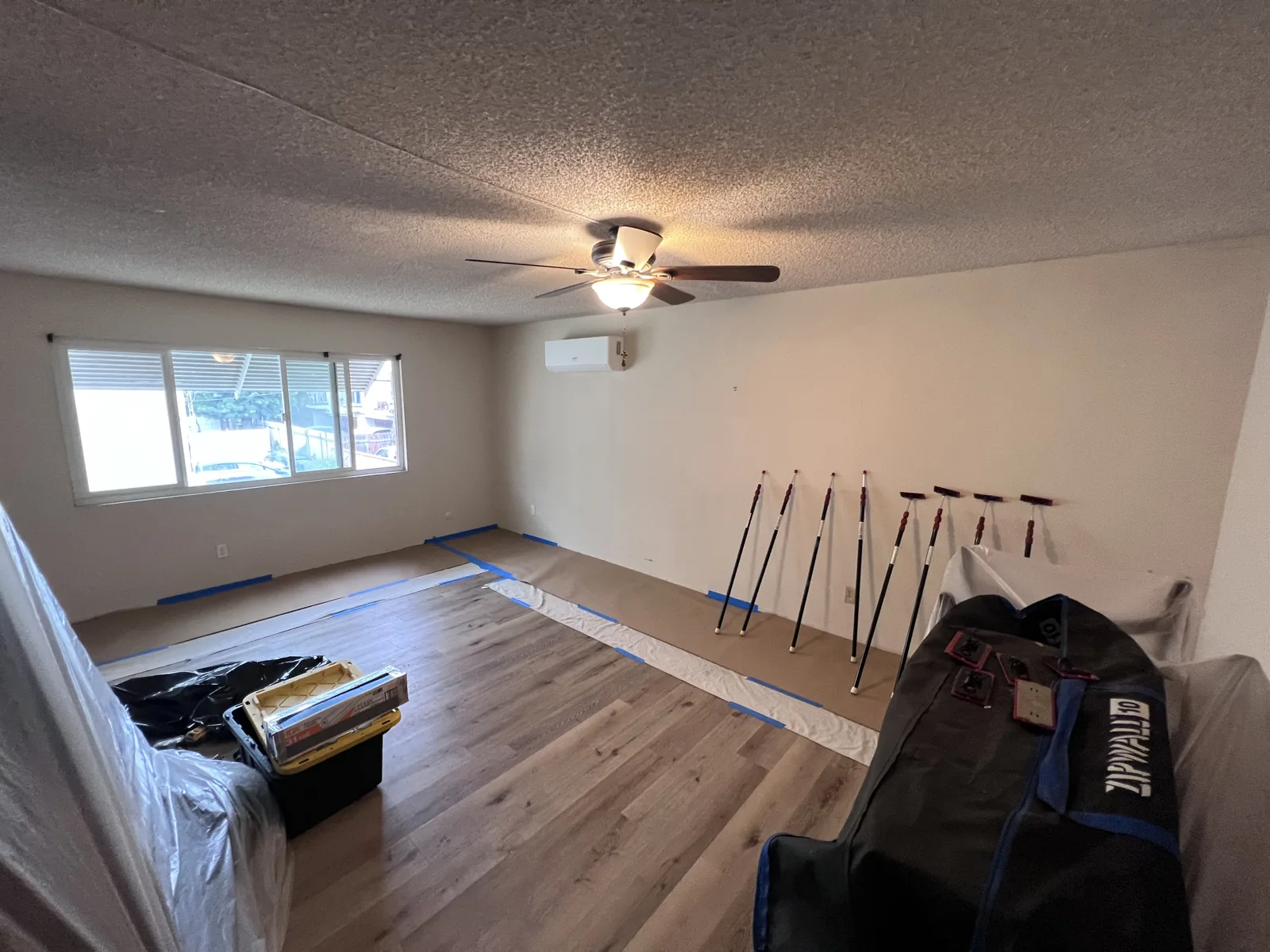
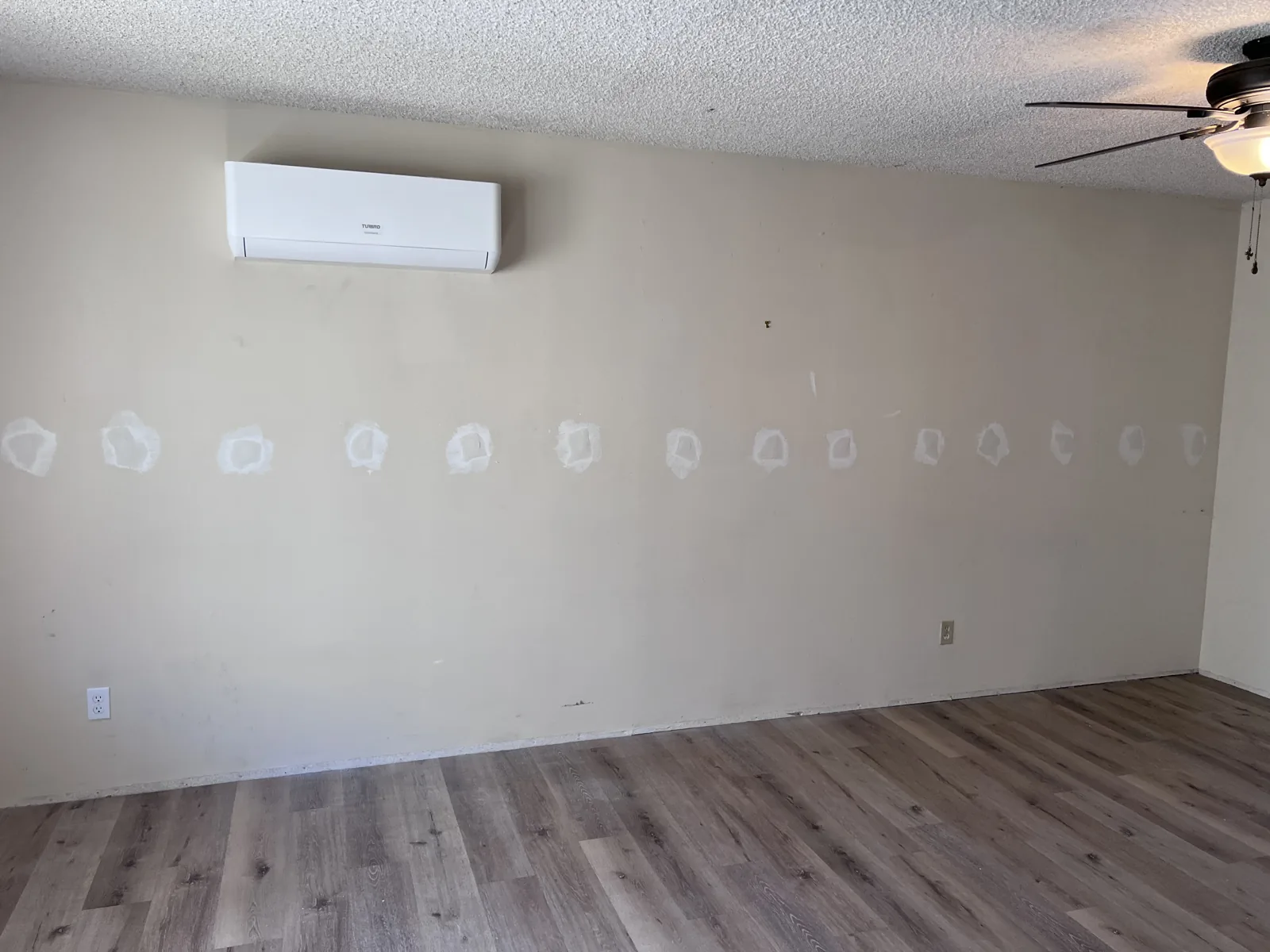
Real job-site photos from our drill & fill crews across the Granada Hills area.


FAQ
Drill & Fill Wall Insulation FAQs
What is drill and fill wall insulation?
It's a way to insulate existing walls without tearing them open. We access the wall cavities, dense-pack them with cellulose insulation, and patch the openings — so older homes get insulated walls without full demolition. It's usually far less invasive and less expensive than opening walls up.
Does my home actually need it?
Most Southern California homes built before 1976 have little or no wall insulation. If that's your home, drill and fill is one of the few practical ways to upgrade those walls for comfort and efficiency. We'll evaluate your walls and tell you honestly whether it makes sense.
Why does installation technique matter so much?
Proper drill and fill is much more technical than many homeowners realize. Many older homes don't follow a perfect 16-inch framing layout because they've been remodeled, added onto, and reframed over the years. We locate framing and identify wall cavities first, then use true dense-pack equipment with verified settings — instead of assuming every wall is standard.
Why do you use dense-pack cellulose?
Cellulose has excellent coverage characteristics and, at the correct density, creates a very high level of air resistance inside the wall cavity — approaching the performance of much more expensive foam-based systems in many applications. It's made primarily from recycled paper fibers with fire-resistant minerals added, and it offers better sound dampening and coverage around wiring and obstacles.
What happens if it isn't dense-packed correctly?
If the pressure is too low, the material can settle over time, air-sealing performance is reduced, and voids may remain inside the wall. If the pressure is too high, it can damage wall surfaces and create blowouts inside the cavity. That's why proper equipment, settings, and technique matter so much — we verify and adjust our machine on every job.
How do you confirm the walls are fully filled?
As a final quality-control step, we use thermal imaging cameras to help verify insulation coverage throughout the walls, identifying missed cavities, cold spots, and incomplete coverage. Very few insulation contractors take this extra step, but we believe quality control matters.
Get Your Free Estimate
Every home is different. Schedule a free, no-pressure evaluation and we will recommend what makes the most sense for your house, goals, and budget.
Get Your Free Estimateor call (818) 979-5857